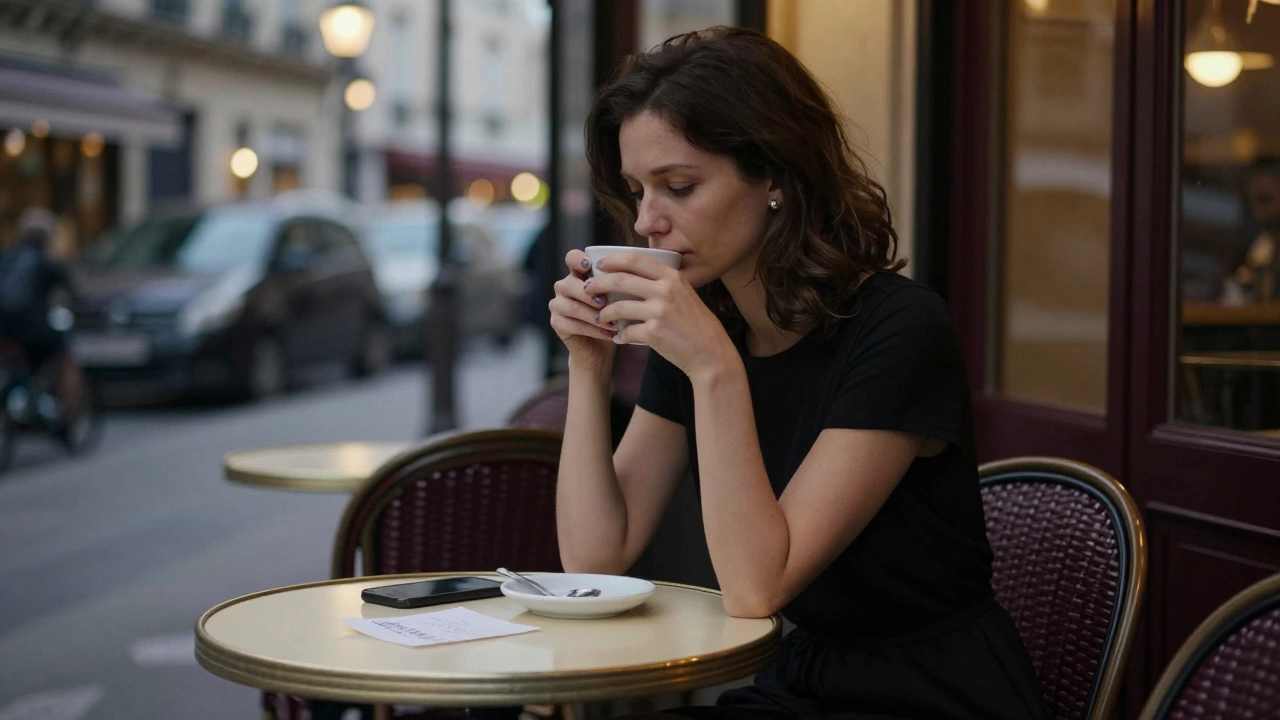
People talk about escorts in Paris like they’re something out of a movie - elegant, mysterious, impossibly perfect. But the truth is quieter, more complex, and far less glamorous than the fantasy suggests. There’s no magic formula that turns someone into the "pinnacle of sensuality and charm" just because they work in this industry. Real people, with real lives, backgrounds, and motivations, are behind those profiles. And if you’re looking for honest answers instead of polished ads, you’ll find them here.
Some search for companionship through services like paris eacort, believing it’s a simple exchange of time for attention. Others come with deeper needs - loneliness, cultural dislocation, or the desire to feel seen in a city that moves too fast to notice. These aren’t just transactions. They’re human moments, often fleeting, sometimes meaningful, rarely what the marketing promises.
What People Actually Want From an Escort in Paris
Most clients aren’t looking for a sexual encounter. They’re looking for someone who listens. Someone who doesn’t judge them for being nervous, awkward, or out of place. A woman who can hold a conversation about art, food, or their childhood in Nebraska without glancing at her phone. That’s what keeps people coming back - not just looks, but presence.
The stereotype of the escort as a flawless, always-available object ignores the emotional labor involved. Many women in this space spend hours preparing for a single meeting: choosing the right outfit, reading up on current events, practicing small talk, managing anxiety. They’re not performers in a show. They’re professionals managing boundaries, safety, and emotional exhaustion.
The Myth of Physical Perfection
Photoshopped images, curated lighting, and carefully worded bios create an illusion of uniform beauty. But in real life, escorts in Paris come in all shapes, sizes, ages, and styles. Some are students. Others are former models, artists, or expats who found this work after losing their jobs. A few are mothers. A few are recovering from trauma. None of them fit the same mold.
Physical attraction is part of it, yes. But it’s not the main driver. What clients remember isn’t the curve of a hip or the shade of lipstick. It’s the way someone laughed at their bad joke. The way they remembered their coffee order. The silence that felt comfortable, not awkward.
How the Industry Really Works
There’s no central agency, no uniform pay scale, no official training. Most women work independently or through small networks. Rates vary wildly - from €50 for a casual drink to €500+ for an overnight stay. Many use platforms that claim to be "companion services" to avoid legal gray zones. Others rely on word-of-mouth referrals.
Security is a constant concern. Many use burner phones, meet in public first, or require clients to verify identity before any meeting. Some carry panic buttons. Others have friends check in at set times. The risks aren’t just legal - they’re personal. A bad client can change your life in seconds.

Why "Escort in Paris" Searches Are So Common
Paris draws millions of visitors every year. Many are traveling alone - for business, for grief, for a fresh start. In a city where you don’t speak the language, where you don’t know anyone, it’s easy to feel invisible. That’s when Google searches like "t escort paris" start popping up. It’s not about sex. It’s about connection in a place that feels too big to belong to.
The industry thrives on this loneliness. It doesn’t create it, but it exploits it. And that’s why the conversation around escorts in Paris needs to shift. It’s not about glamour. It’s about why so many people feel they need to pay for human warmth in the first place.
Legal and Ethical Gray Areas
In France, prostitution itself isn’t illegal - but soliciting, pimping, and operating brothels are. That means escorts can legally offer companionship, dinner dates, or hotel stays. But advertising sexual services? That’s a crime. So the language gets twisted. "Companion," "hostess," "private meeting" - these are code words for services that skirt the law.
Some women see this as empowerment. Others feel trapped by the system. There’s no universal answer. But what’s clear is that the law doesn’t protect them. If something goes wrong, reporting it often means risking arrest or deportation.
What Happens After the Meeting Ends
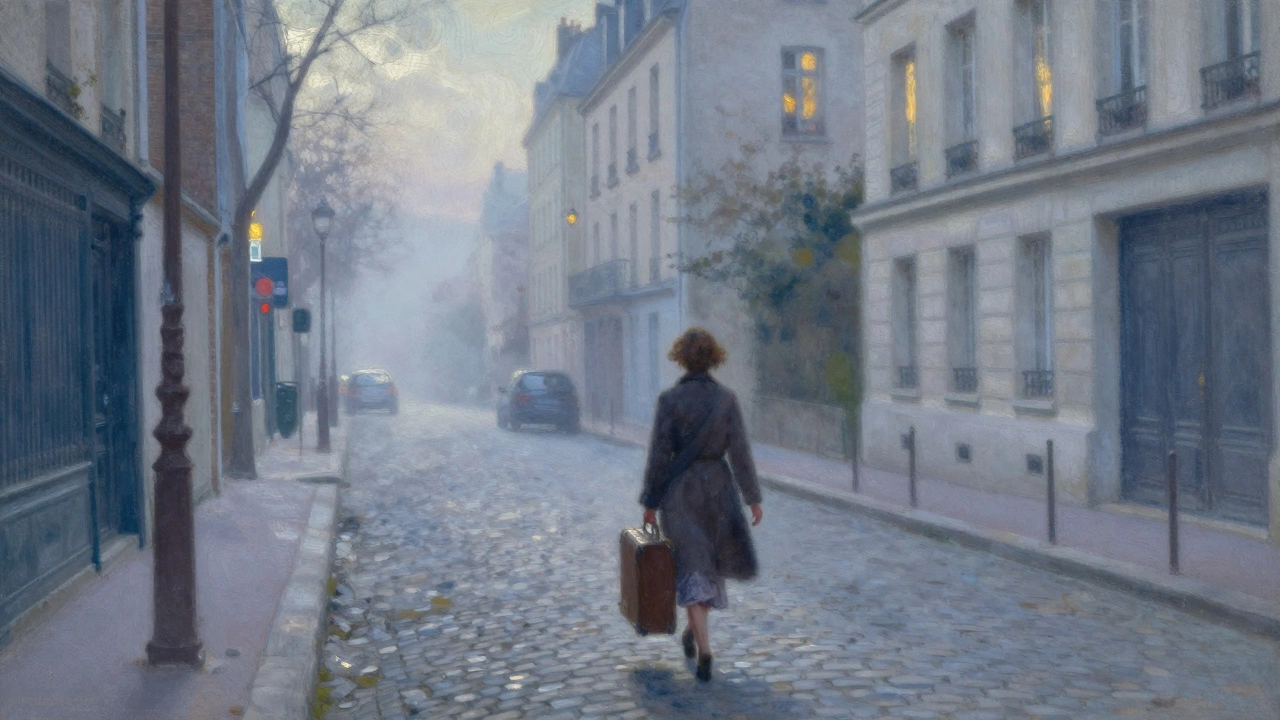
No one talks about what happens after the door closes. The woman goes home. She showers. She texts a friend. She cries. Or she doesn’t. She might scroll through photos of her child. She might save up for a flight home. She might never tell anyone what she does for a living.
Clients rarely think about this part. They remember the night. They don’t think about the silence that follows. The weight of pretending. The cost of pretending to be someone else - even for a few hours.
Is This Really About Sensuality?
The phrase "pinnacle of sensuality and charm" sounds poetic. But sensuality isn’t about how someone looks. It’s about how someone makes you feel - safe, seen, understood. That’s not something you can buy. It’s not something you can schedule. It’s not something you can find in a profile with perfect lighting and a five-star review.
If you’re searching for that kind of connection, you’re not alone. But you’re looking in the wrong place. Real sensuality lives in quiet moments - a shared meal, a long walk, an honest conversation. Not in a hotel room with a price tag.
Where to Go Instead
If you’re in Paris and feeling isolated, there are better options. Language exchange meetups. Free museum days. Walking tours led by locals. Community centers that host dinners for expats. Even apps like Meetup or Bumble BFF connect people without payment or performance.
These don’t come with the same intensity as a paid encounter. But they last longer. They build real relationships. And they don’t require you to hide who you are.